


Step by Step Towards Independence in Self-Care
Is your child finding dressing, eating or personal care clearly harder than their peers? Targeted therapy can help them become independent sooner. Therapy is in English, in person at our centre in Beykent, Büyükçekmece (Istanbul), and bilingual Turkish-English sessions are available.
Self-care skills are a child's ability to manage daily tasks such as dressing, eating and personal hygiene on their own. When these skills are weak, a child struggles to reach the independence expected for their age. Below you will find the signs, the causes and how therapy works at our centre.
This page explains how occupational therapy supports self-care skills in children. It is written for English-speaking families in Istanbul, including families raising children with Turkish and English.
On this page
What Are Self-Care Skills?
Self-care skills cover everyday tasks such as dressing and undressing, eating, brushing teeth, washing hands and brushing hair. They bring together many smaller skills, including fine motor control, planning and remembering steps in the right order.
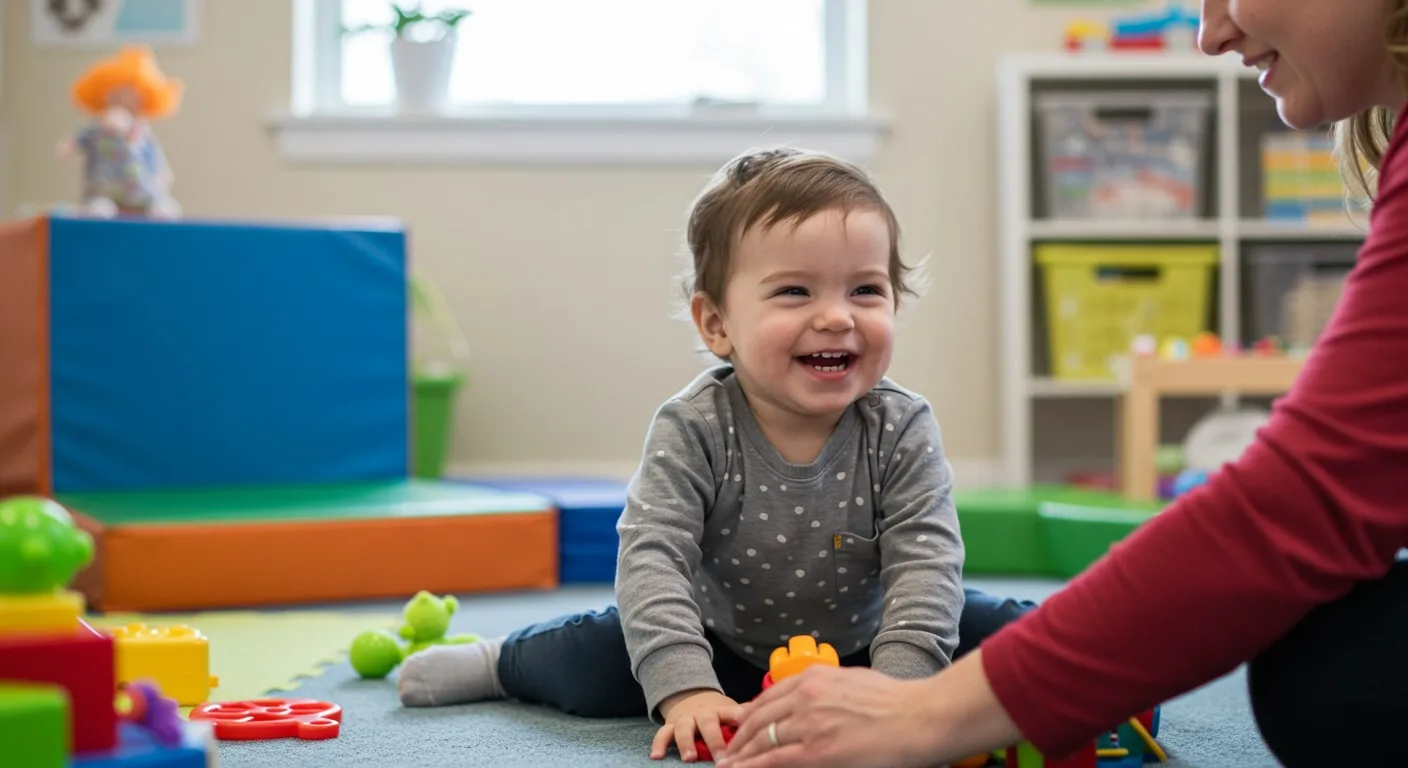
When these skills are weak, a child may keep needing adult help with tasks their peers do alone. This affects more than the family's daily routine. It also has a direct effect on the child's self-confidence.
Self-care skills are not fixed at birth. They develop with age and regular practice. So a difficulty spotted early can improve a great deal with targeted therapy, and your child can take part in daily life with more confidence.
During the evaluation, our specialist looks at your child's development as a whole, because self-care difficulties often appear together with fine motor difficulties. Our Fine Motor Skills page explains more.
Development by Age
Around the ages of 2 to 3, children usually start feeding themselves with a spoon and taking off simple clothes. They also join in with handwashing, asking for help as they go. Around 3 to 4, first attempts with fastenings such as buttons and zips appear. Most children can also brush their teeth with an adult watching.
Around 4 to 5, dressing alone, putting on shoes and eating with a fork become clearer. Around 5 to 6, children are expected to tie their shoelaces, brush their hair and manage a hygiene routine fully on their own. These ranges are a general guide, so small differences are normal. Around 6 to 7, most children can manage their morning routine alone. They also make progress with organising tasks, such as packing their school bag.
What Are the Signs?
Common signs include learning to dress clearly later than peers and constant trouble with fastenings such as buttons and zips. Your child may find it hard to hold a spoon or fork and may spill food often.
Another pattern to watch is struggling to remember the order of routines such as brushing teeth or washing hands, and trying to avoid these tasks. Some children are very sensitive to the texture of clothes and refuse to wear certain items.
Slowness with tasks that need both hands to work together, such as tying shoelaces or doing up a zip, is also common. Because of these difficulties, a child may avoid doing things alone and keep asking for help instead.
Signs change with age. In the preschool years, reluctance to dress or eat independently tends to stand out. Towards primary school, trouble tying shoelaces, packing a school bag and keeping up a hygiene routine alone draws more attention.
What Causes Self-Care Difficulties?
Self-care difficulties usually come from weaknesses in fine motor skills, using both hands together and planning tasks in sequence. Sensory sensitivity is another important factor. Some children react more strongly than expected to the texture of clothes, the feel of a toothbrush or the temperature of water.
When adults always do tasks for the child, independence can develop more slowly, because there are fewer chances to practise. Self-care difficulties also often appear with sensory integration difficulties, so our specialist looks at these possible overlaps during the evaluation. Our Sensory Integration Therapy page explains more.
Motor planning difficulties also have a direct effect on self-care. Tasks such as dressing need several steps in the right order. Forgetting one step, or doing the steps in the wrong order, can stop a child from finishing the task.
A history of premature birth or developmental delay can also leave self-care skills behind age expectations. In these cases, self-care difficulties are usually noticed together with delays in other areas, so a full evaluation matters.
When Should You Seek Help?
It is time for an evaluation if your child is clearly behind peers or strongly resists self-care tasks. A nursery or preschool teacher who keeps sharing observations about this is another important sign.
Some families prefer to wait and see. But self-care skills, like other skills, may not improve on their own over time. Asking for a first evaluation as soon as you have concerns keeps any delay to a minimum.
The evaluation puts no pressure on your child. It is a relaxed observation that shows which skills are strong and which need support. If needed, our specialist may also refer you to another professional.
How Does Therapy Work?
At the first meeting, our specialist looks at your child's fine motor skills, how both hands work together and how your child responds to sensory input. We do this through observation, play-based activities and a conversation with you, not through standardised tests. Based on this, we prepare an individual therapy plan.
Therapy usually breaks a task into small steps. For example, dressing may start with putting one arm through a sleeve and grow, step by step, into the whole task. When needed, our specialist also uses helpful tools or step-by-step picture guides. If sensory sensitivity is in the foreground, therapy starts with gradual activities that soften these reactions. This way your child gets used to new textures and experiences without distress. Our specialist also uses multisensory methods: first explaining a task in words, then showing it, and finally doing it step by step with your child.
Each session at our centre lasts 40 minutes, and our specialist usually recommends one or two sessions a week. Some children also have visual-spatial difficulties. In that case, our Visual Perception page may help too.
As sessions progress, our specialist moves new skills into tasks that look like home routines. This helps your child carry what they learn into daily life. We invite parents to sessions from time to time, because small steps at home strengthen the effect of therapy. We review progress regularly and update the goals when needed.
Therapy in English and Bilingual Sessions
Our centre welcomes English-speaking families who live in Istanbul, including expat, international and mixed-nationality families. Self-care therapy is available in English. Family meetings and progress updates are in English too.
For children growing up with Turkish and English, we offer bilingual Turkish-English sessions, planned around your child's language profile. Self-care routines are full of everyday words, such as sleeve, zip, button and toothbrush. We can practise each routine with the words your child hears at home and at school or nursery.
Picture-based step lists work in any language, so they make a good bridge between home, school and therapy. Our bilingual children page explains more about growing up with two languages.
All sessions take place in person at our centre in Beykent, Büyükçekmece (Istanbul), right on the Beylikdüzü border. We welcome families from across west Istanbul.
Skill Areas
| Area | Example Tasks | Therapy Focus |
|---|---|---|
| Dressing and undressing | Buttons, zips, tying shoelaces | Step-by-step practice, fine motor exercises |
| Eating | Using a spoon and fork | Grasp and hand-eye coordination work |
| Hygiene | Brushing teeth, washing hands, brushing hair | Planning tasks in sequence, picture guides |
| Independent organisation | Tidying belongings, packing a school bag | Planning and organisation skills |
| Getting ready for PE | Quick dressing and undressing | Gradual practice against the clock |
Self-Care, Social Life and School
At nursery and primary school, children are expected to do tasks such as washing hands after the toilet, putting on a coat or eating lunch on their own. Needing constant adult help with these can make a child feel different from the rest of the class.
Over time, some children compare themselves with their peers and lose confidence. Early support protects both social adjustment and self-confidence, and helps your child settle into the school routine more easily.
Independent self-care also helps a child join in with friends on equal terms. At camps or sports clubs, for example, dressing and undressing alone makes taking part easier. So self-care skills matter for social development, not only for school.
The need to change quickly before and after PE lessons makes this skill even more important at school. A child who is slower than peers may lose lesson time, or feel left behind because they cannot keep pace with classmates.
How Can You Support Your Child at Home?
Leave enough time in the morning, so your child can practise at their own pace rather than in a rush. Breaking a task into small steps also makes learning easier: socks first, for example, then shoes. On busy weekday mornings, do not expect the whole task. Practising at calmer times, such as weekends, speeds up learning.
Rather than correcting your child, notice small successes and say them out loud. This keeps motivation strong. After the evaluation, our specialist suggests exercises for your child, so gains from therapy are reinforced at home.
A picture-based step list helps your child remember a task and follow it alone. For example, you can show the bathroom routine in pictures. Practising without hurrying makes learning easier too.
Choose clothes that are easy to put on and take off, with stretchy fabric and simple fastenings. You can raise the challenge over time, for example starting with shoes that fasten with straps and moving on to lace-ups later. Getting ready the night before also helps. Choosing tomorrow's clothes in the evening reduces the morning rush and lets your child make their own choice.
Frequently Asked Questions
Do self-care difficulties mean low intelligence?
No. Self-care skills are not directly linked to intelligence. Many bright children find these areas hard, and this should not overshadow their strengths in other areas.
Are self-care difficulties more common in autistic children?
Because of sensory sensitivity, self-care tasks can be more challenging for some autistic children. Our specialist takes this into account, prepares an individual plan and works together with other professionals when needed.
How many sessions does therapy take?
It depends on how significant the difficulty is and how regularly your child attends. Some children make clear progress within a few months. In more complex cases, therapy may continue across a school year. Regular attendance and practice at home are among the most important factors in shortening the process.
How are parents involved in therapy?
Our specialist suggests exercises and strategies for your child, and small steps at home strengthen the effect of therapy. We invite parents to sessions from time to time and share your child's progress with you regularly, in English.
Do you work with my child's teacher?
With your permission, our specialist can contact the school and share recommendations. This keeps classroom routines in line with the therapy goals, and the teacher can make small, suitable adjustments in class. It also helps your child carry new skills into the school day.
What happens in the evaluation session?
Our specialist looks at your child's fine motor skills, sensory responses and current level of self-care through observation and play-based activities. We then talk with you, include what you and the school have noticed, and set individual goals.
Do we need a doctor's referral for an evaluation?
Usually not. You can book an evaluation directly, and if you have concerns, we suggest you do not wait. If needed after the evaluation, our specialist may refer you to another professional, and we share your child's progress with you regularly.
Can my child have sessions in English?
Yes. All our therapies, including self-care work in occupational therapy, are available in English. Family meetings and progress updates are in English too.
Do you offer bilingual Turkish-English sessions?
Yes. For children growing up with Turkish and English, we offer bilingual sessions planned around your child's language profile. We can practise daily routines with the words your child uses at home and at school.
Where are you located?
Our centre is at Cumhuriyet Mah. Yıldıray Çınar Sk. No:21 D:1, Beykent, 34520 Büyükçekmece, Istanbul, right on the Beylikdüzü border. All sessions take place in person here, Monday to Saturday, 09:00 to 18:00. We welcome families from Büyükçekmece, Beylikdüzü, Bahçeşehir, Avcılar, Silivri, Esenyurt and Çatalca.