A new baby brings an older child both excitement and deep insecurity. Having to share parents' attention often shows up as sibling jealousy, regression or temper tantrums. In this article, we explain step by step how good preparation and a patient approach can ease this transition.

How Does Sibling Jealousy Show Up With a New Baby?
When a new baby arrives, sibling jealousy can show up in many children as regression and temper tantrums. Below, we explain what you can do, from preparing during pregnancy to the first days after the baby arrives.
First, we look at why sibling jealousy happens. We then cover preparation from pregnancy onwards, the regression that is common after the birth and, finally, what families can do during this period.
Why Does Sibling Jealousy Happen?
For an older child, family life has so far revolved around them. With a new baby, parents' time, energy and attention start to be shared. The child often sees this as "someone has taken my place" and shows their insecurity through different behaviours. This reaction is normal, though, and fades over time in most children.
Different Reactions at Different Ages
Children aged 2 to 3, for example, often regress: they wet themselves, ask for a bottle or use baby talk. Children aged 4 to 6 more often react with words, become irritable or ignore the baby. In school-age children, jealousy tends to show up as performance anxiety or taking on too much responsibility.
Preparing During Pregnancy
Preparation starts months before the birth. Tell your child early and calmly, in words that suit their age: "Someone new is joining our family." This causes far less anxiety than a sudden surprise.
Concrete, Easy-to-Understand Explanations
Young children cannot fully grasp abstract time, such as "in a few months". It works much better to link the timing to seasons, holidays or familiar events ("the baby will come when it snows"). Reading picture books about babies also makes the change more concrete.
What to Do Before Other Changes
Your child may be about to move rooms, start nursery or change a habit (such as giving up the bottle or moving to their own bed). If so, complete these steps at least a few weeks before the birth. Otherwise, your child may link every change to the baby and blame the baby for it. So timing is one of the most important parts of preparation.
After the Baby Arrives: Responding to Regression
Once the baby comes home, temporary regression in the older child is very normal. Rather than punishing these behaviours, it is far more effective to notice the need behind them. In bilingual families, the older child may use baby talk in one or both languages. This is the same regression, not a sign that two languages are too much.
| Regressive behaviour | Possible meaning | Suggested approach |
|---|---|---|
| Wetting themselves | Wanting the kind of attention the baby gets | Stay patient, do not punish and use positive reinforcement |
| Baby talk | Seeking attention, copying the baby | Allow it for a short while, then gently remind them of their big-kid role |
| Disrupted sleep | Anxiety and insecurity | Keep the bedtime routine steady and add extra cuddle time |
| Aggression towards the baby | A direct sign of jealousy | Name the feeling and keep everyone physically safe |
The First Days Home From Hospital
The first meeting after the birth lays the foundation for the older child's relationship with the baby. So plan it in a calm setting, ideally when the baby is in a cot or basket rather than in a parent's arms. That way, your arms are free when the older child wants a cuddle. When you bring the baby home, too, carry them in a car seat or basket rather than in your arms, with your older child beside you. This helps the older child feel like a priority from the very first moments.
A Gift Exchange
When they come home from hospital, many families tell the older child that the baby has "brought" them a small present. This simple gesture helps frame the baby's arrival as a gain, not a loss. In the same way, letting the older child choose a small gift for the baby creates a sense of mutual bonding.
Managing the Stream of Visitors
In the first weeks after the birth, most visitors focus on the baby. This can make the older child feel invisible. Asking visitors to spend a few minutes with the older child too is a small but effective step.
Activities to Help Siblings Bond
Over time, you want curiosity and interest to replace jealousy. Involving the older child in shared activities with the baby helps. Jobs such as singing to the baby, helping at bath time or choosing the baby's toys support a positive bond between them.
Photos and a Memory Book
Making a "sibling memory book" with your older child strengthens their sense of being included. Choose photos from the baby's first days together and write a few sentences under them. This helps your child see themselves as an active part of the family.
Do Not Drop Old Habits Completely
After the baby arrives, keep some of the older child's favourite rituals (such as story time or weekend play). Otherwise, your child may feel that every good thing in their life disappeared with the baby. The aim is to build a new balance, not to erase the old one.
Practical Tips for Families
Make One-to-One Time
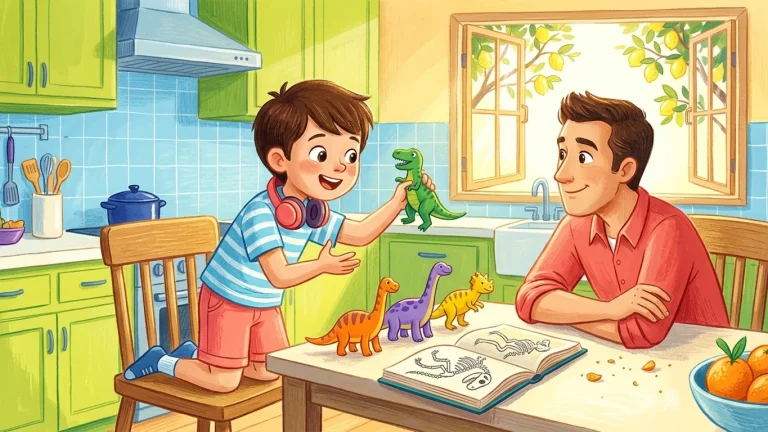
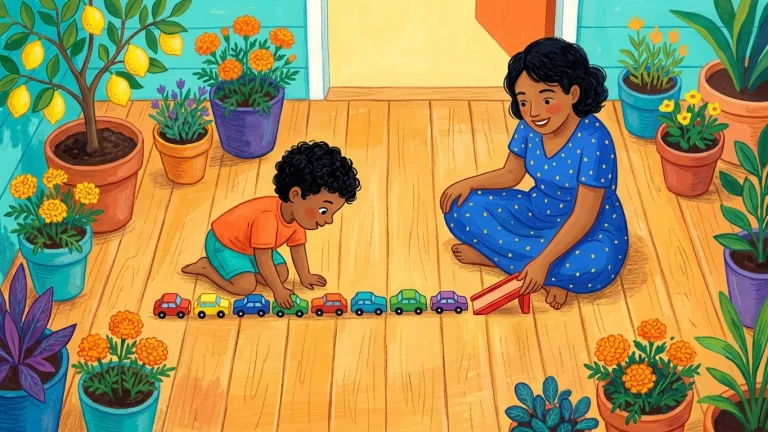
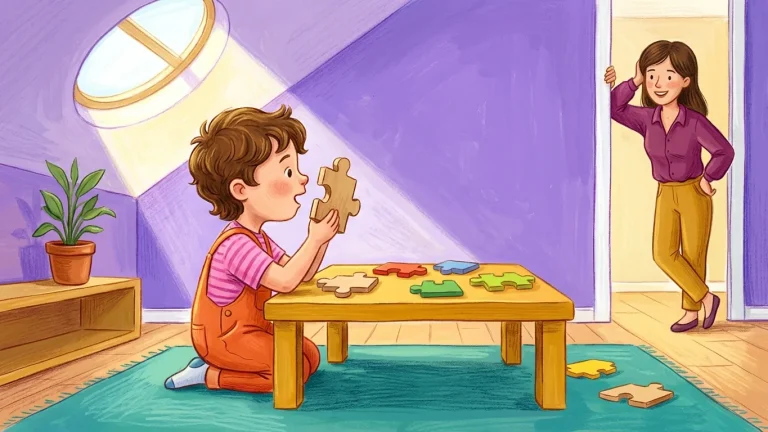
Caring for a baby is demanding. Even so, 10 to 15 minutes a day of uninterrupted "just the two of us" time makes a big difference. It protects the older child's sense of security. Even if this time is short, what matters is that your child feels your full, undivided attention.
Offer Responsibility, Do Not Force It
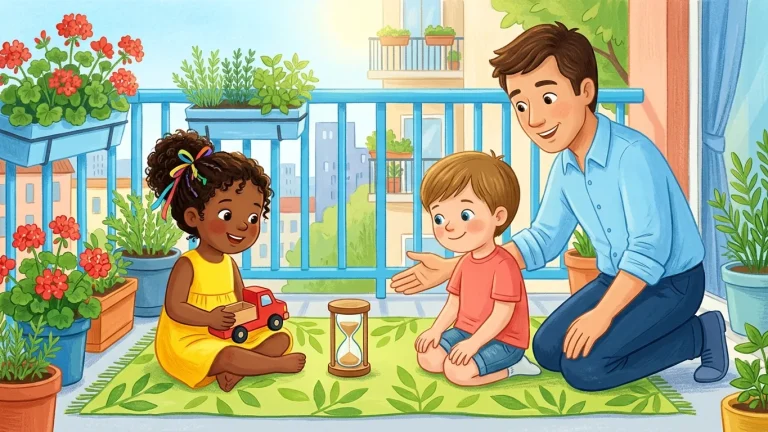
Avoid pressure such as "You're the big sister (or big brother) now, you have to look after the baby". Instead, offer small jobs your child can choose to join in with (such as fetching a nappy or singing a song). Taking part should be a choice, not a duty.
Name and Accept Feelings
Sentences such as "Sometimes you might feel angry because the baby is here, and that's completely normal" let your child express the feeling rather than bottle it up. When a feeling is accepted, behavioural outbursts decrease.
Keep Routines as Steady as Possible
When mealtimes, bedtime and daily activities carry on as before, your child gets a clear message that life is still safe and predictable. Parents also benefit from support during transitions like this; see our Parent Guidance page.
Common Mistakes
Some well-meant approaches can increase jealousy rather than reduce it. Knowing these mistakes helps families manage the process more easily.
"You're a Big Kid Now" Pressure
Constantly telling the older child "you're big now, stop acting like a baby" can make them push their needs down and keep their feelings to themselves. It is healthier to remind them that they are still a little child. They simply have a new role as a big sister or big brother too.
Making Comparisons
Comparisons such as "The baby never cries, but you used to cry a lot" can make the older child feel worthless. Stressing that every child is unique is far more constructive.
Dismissing Feelings
Sentences such as "Don't be jealous of the baby, they're our child just like you" deny the real feeling your child has. It is much more effective to accept the feeling and guide the behaviour.
When Is Professional Support Needed?
Jealousy usually fades within a few months. Sometimes, though, aggressive behaviour gets worse, regression continues months later or your child becomes noticeably withdrawn. In these cases, support from a child development specialist can help. Temper tantrums can also be common in this period; see our article How to Manage Temper Tantrums in Children.
Frequently Asked Questions
When should I tell my child about the pregnancy?
It depends on your child's age, but it is usually best between the end of the second trimester and the final months, when visible changes begin.
My older child is ignoring the baby. Is that normal?
Yes, this is also a way of adjusting. Do not force it; let your child bond with the baby at their own pace.
Is it different for twins or siblings very close in age?
The smaller the age gap, the shorter the preparation time, so planning one-to-one time after the birth matters even more.
How do I book an appointment for an assessment?
See our Book an Appointment page for details.
How long does sibling jealousy last?
In most children it fades within a few weeks to a few months, but every child adjusts at their own pace.
Is it safe to leave the older child alone with the baby?
Young children should not be left unsupervised with the baby; during periods of jealousy, an adult should always be present.